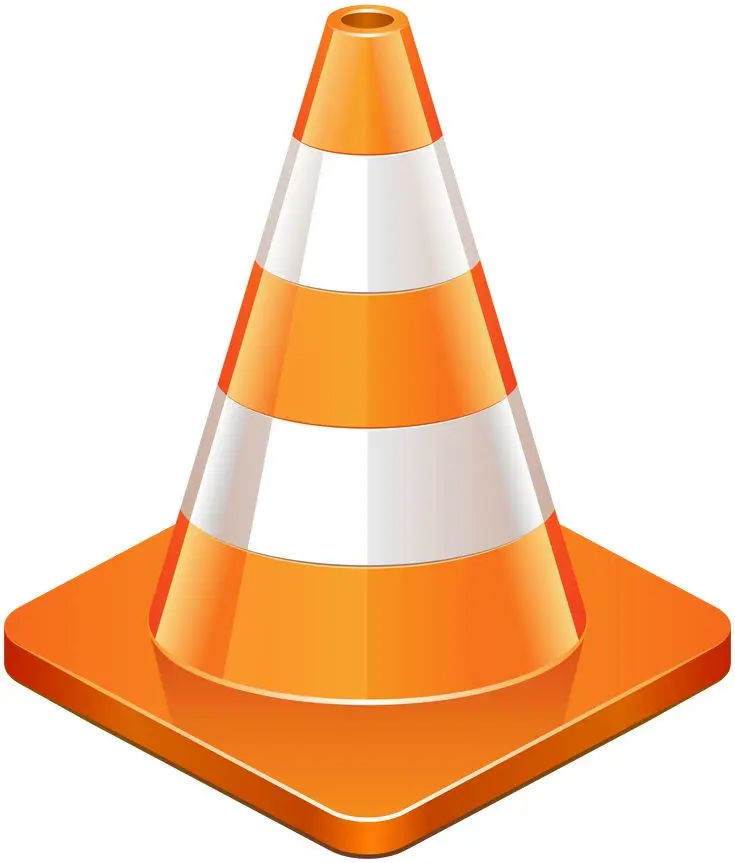
TRAFFIC CONE
A Traffic Cone is a safety device used to temporarily redirect traffic, mark hazards, or indicate restricted areas on roads, parking lots, construction sites, or industrial facilities. Typically made from durable, flexible PVC or rubber, traffic cones are lightweight yet resilient to impact. Their bright colors and reflective strips ensure high visibility during both day and night, helping to alert drivers and pedestrians to potential hazards or areas requiring caution.
Traffic cones are widely used by traffic police, road maintenance crews, event organizers, construction sites, and industrial safety teams to control traffic flow and enhance safety.
Specifications
| Specification | Detail |
| Type | Traffic Cone / Safety Cone |
| Material | Durable PVC, rubber, or polyethylene |
| Height | Typically 450–750 mm (varies by model) |
| Base | Weighted or flared base for stability |
| Color | Bright orange (standard), other colors optional |
| Reflective Strips | Single or double reflective stripes for night visibility |
| Weight | 1–3 kg depending on size and material |
| Primary Use | Traffic control, hazard marking, lane separation, construction zones, parking lot management |
| Durability | Flexible and impact-resistant; withstands weather and UV exposure |
| Stackable | Most models are stackable for easy storage and transport |
Key Features & Benefits
High visibility due to bright color and reflective stripes — enhances safety in day and night conditions.
Durable and flexible — resists impact and can return to shape after minor collisions.
Stable base — prevents tipping over in windy conditions or when lightly nudged.
Versatile use — suitable for roadwork, construction, event management, parking lots, and industrial safety.
Lightweight and portable — easy to deploy, remove, and transport.
Stackable design — convenient storage and space-saving when not in use.